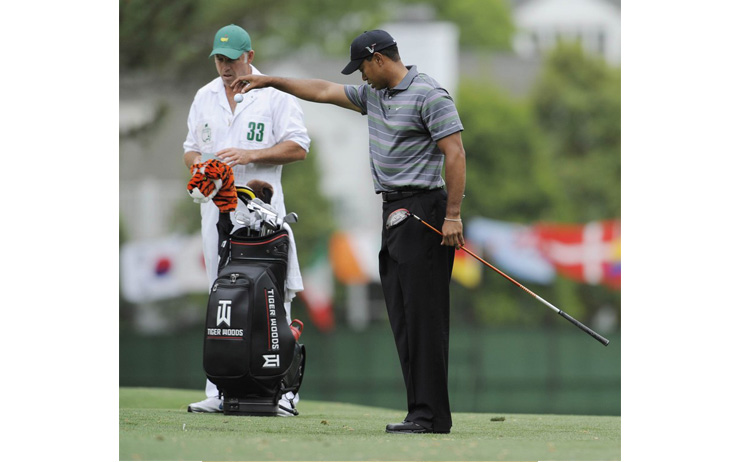
The United States Golf Association and the R&A have unveiled sweeping changes to the Rules of Golf which they’d like to see adopted by January 1, 2019.
According to one of the USGA’s chief officials, John Bodenhamer, the two organisations are in lockstep about making the rules easier to understand and apply.
Now they’d like to hear from you. For the next six months, you can write, email or call and give them your opinion about the rules they want to change, the rules they haven’t changed, and things you’d like to see change.
Once that comment period is done on August 31, golf’s governing bodies will review the feedback and finalise the new rules, with the plan to announce them early in 2018 before the 2019 adoption date.
“We’re really curious what the reaction to this is going to be,” Bodenhamer says.
Contact them at usga.org/rules.
Here is a rundown of the most significant changes. Remember these are proposed changes, not mandates. – By Ron Kaspriske

Currently: It’s a one-stroke penalty if you do either (with exceptions).

Currently: The ball is played from its new location unless it was moved by you or an outside agency. Then it would be replaced.
Currently: You can only repair ball marks or old hole plugs.
Currently: Touching the line comes with a penalty of loss of hole (match play) or two shots (stroke play).
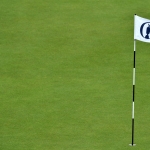
Currently: Loss of hole (match play) or two-shot penalty (stroke play) if you strike the flagstick with a stroke from the putting green.

Currently: Relief is allowed only from a water hazard (marked yellow) or a lateral water hazard (marked red).

Currently: If you did any of the preceding, it’s a loss of hole (match play) or a two-shot penalty (stroke play).

Currently: All water hazards have to be marked yellow unless it’s impossible or unreasonable for you to drop behind the hazard. Then it can be marked red.

Currently: You can take relief on the opposite side of a lateral water hazard from where your ball last entered it.
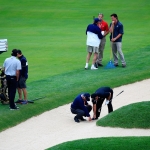
Currently: Penalty for doing so is loss of hole (match play) or two shots (stroke play). You can touch the sand with your hand or club so long as you’re not testing the conditions of the bunker, you’re not placing the club right in front of or behind the ball, and you’re not making a practice swing or backswing. Currently: With some exceptions, such as accidentally falling when entering the bunker, touching the sand with hand or club results in loss of hole (match play) or a two-shot penalty (stroke play).

Currently: The only penalty relief you can take outside a bunker is to play from where your last stroke was made.
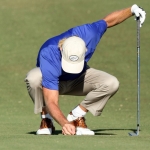
Currently: You are consider to have caused your ball to move if it is more likely than not (50.1 percent) that you were the cause.

Currently: There is a one-stroke penalty for accidentally moving it.

Currently: Accidentally hitting yourself, your caddie, the person attending a flagstick on the green—or an attended or removed flagstick when making a stroke from the putting green—resulted in a one- or two-stroke penalty depending on the circumstances.
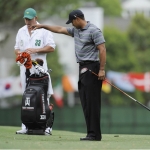
Currently: You must stand and hold a ball at shoulder height, with your arm extended, before dropping. When a ball must be dropped, it has to be in a defined relief area.
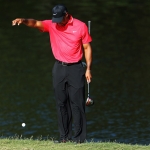
Currently: The ball must be dropped again if it rolls to any of the nine specified areas in Rule 20-2c. An example: If it rolled more than two club lengths from where the ball first struck the ground. The relief area will either be 80 inches from the reference point (for drops next to a penalty area or for an unplayable lie) or 20 inches (all other drops). The recommendation is to mark the shaft of a club to assist in measuring. Currently: Drop areas are measured in club lengths (and you can choose any club to measure).
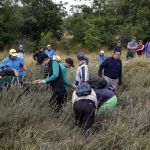
Currently: Your ball is lost if not found within five minutes of searching.
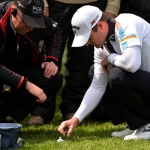
Currently: With a few exceptions, you have to continue with your original ball when taking free relief, though you can substitute a ball when taking a penalty relief.
Currently: Free relief is given only for balls embedded in closely mowed areas (fairway height or less) unless a Local Rule is enacted.
Currently: Your judgment is given no particularly weight or deference and the committee decides any issue about the accuracy of estimation based on a review of all facts.

Currently: A Local Rule has to be adopted allowing their use.
Currently: You can only use a damaged club during a round if the impairment happened during the normal course of play. If it was damaged in anger or for another reason, it can’t be used for the remainder of the round. You can’t replace a damaged club during a round unless you were not responsible for its condition.
Currently: You can replace a club if its damage occurred during the normal course of play.
Currently: Before lifting, you must announce your intention to another player or the marker and allow them to observe the process.
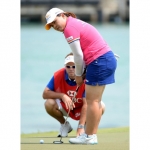
Currently: A caddie can’t stand on a line behind you while you’re making a stroke, but can line you up while you address the ball.

Currently: It’s a one-stroke penalty for your caddie to lift your ball without permission.

Currently: You must hole out in stroke play unless playing Stableford, Par or Bogey formats.

Currently: There is no penalty for playing out of turn, but in match play an opponent can make you replay a shot if you do so.
The recommended allotment of time to make a stroke is no more than 40 seconds, and the Rules recognise that you should normally play more quickly than that.
Currently: No recommendation is given.

Currently: Committees can disqualify you for serious breaches of etiquette, but cannot impose lesser penalties.

Currently: The moment you go forward to search for your original ball, you can no longer play a provisional.

Currently: With some exceptions, you cannot listen to music or watch/listen to sporting events and news during a round.